Portuguese

You pull the new shirt from the wrap, flip the neck tape, and see the same entry every time: 100% polyester. That is not a cost-cutting compromise; it is a performance decision.
Core conclusion: Yes, soccer jerseys are polyester by design. Polyester dominates the category because it wicks sweat away from the skin, stays light when wet, survives frequent washing, holds color and sponsor print, and blends easily with elastane for movement. The real decision is not whether to use polyester, but which knit structure, yarn spec, and finishing treatment fit the playing conditions.
Why Polyester Became the Default Soccer Jersey Fabric
A soccer match mixes heat, acceleration, frequent contact, and heavy sweat. Natural fibers such as cotton absorb moisture and hold it against the skin. Polyester is hydrophobic, meaning the fiber itself repels water and pushes sweat to the fabric surface where air can evaporate it. That single property changes how a shirt feels in the 70th minute.
Sweat management
Polyester wicking finishes accelerate moisture transfer, keeping the torso drier than cotton during continuous running.
Lightweight build
A polyester jersey typically weighs less than 150 g/m², so players do not carry extra water weight as the shirt becomes wet.
Durability
Matches involve pulls, grass slides, and washing cycles. Polyester resists tearing, pilling, and shrinkage better than most natural fibers.
Print and color
Club crests, numbers, and sponsor marks bond cleanly to polyester. Dyes stay saturated after repeated washing and sunlight exposure.
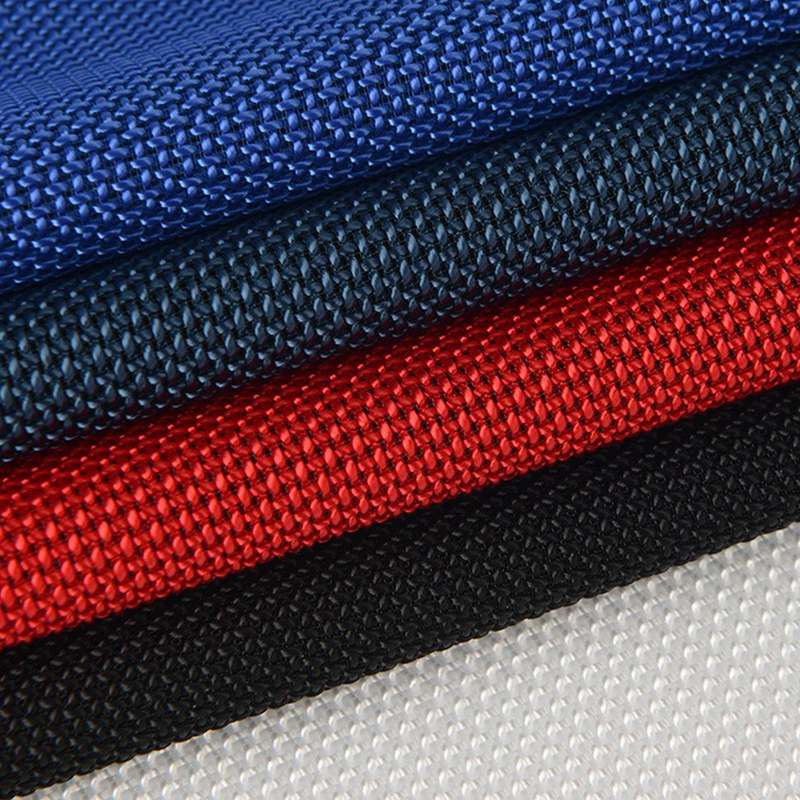
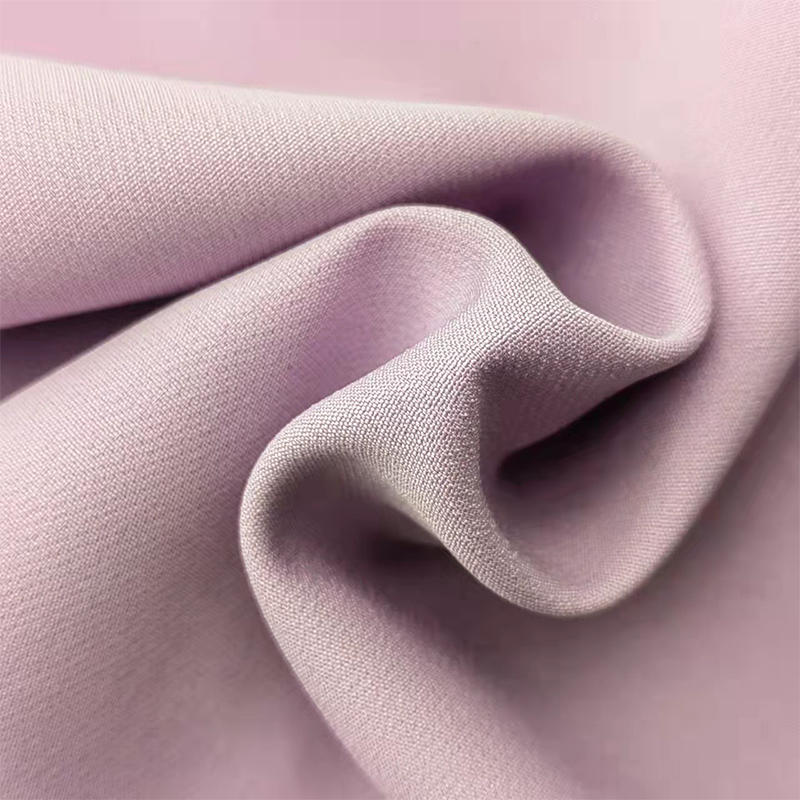
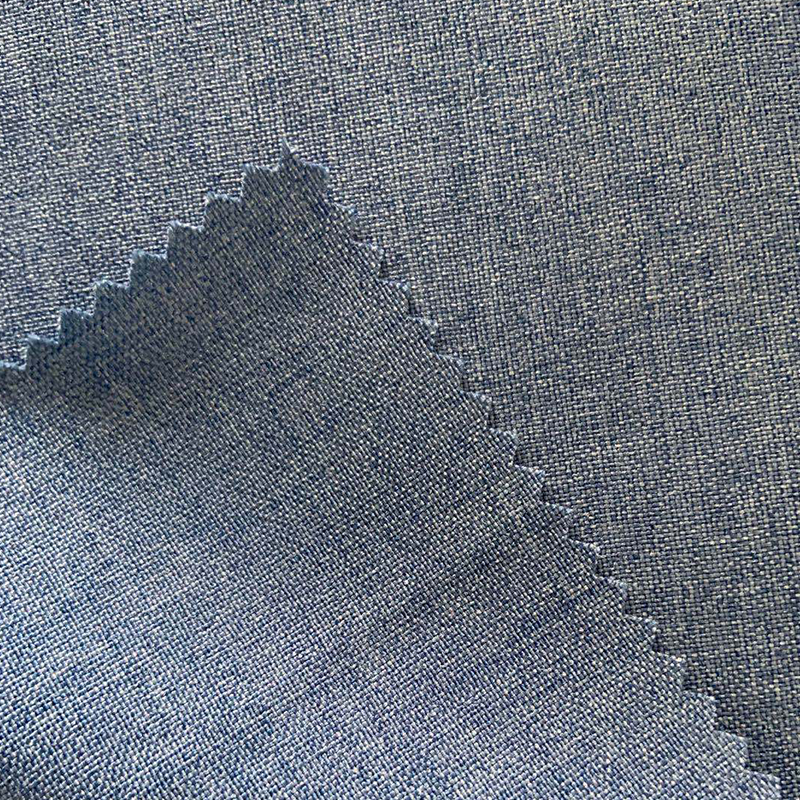
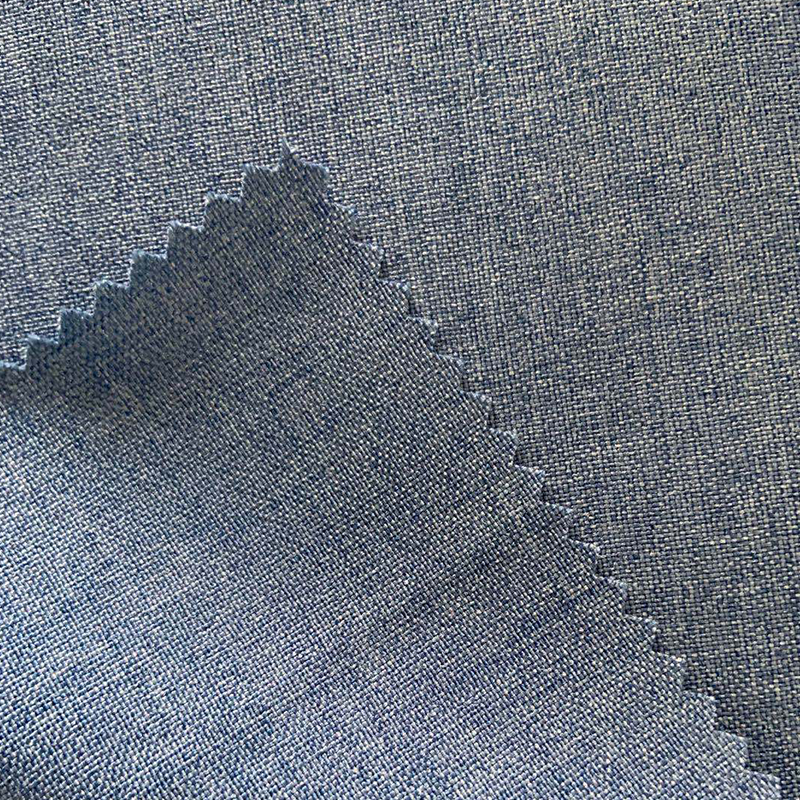 Polyester Four-Way Stretch Sports and Leisure Fabric This stretchy polyester fabric balances breathability, quick drying, and water resistance for activewear. It supports customization like antibacterial finishing and offers a lighter, more economical choice for teams weighing performance against cost. View Product →
 Not All Polyester Jerseys Are the Same
The label only tells you the fiber content. It does not show the yarn size, knit gauge, or finishing chemistry. Those hidden variables decide airflow, stretch, hand-feel, and the flat surface a printer needs.
Knit structures used in polyester soccer jerseys
- Single jersey: smooth, compact surface for badges and printing, used for training shirts and replica kits.
- Pique: a slightly textured structure with better airflow while remaining stable for crest application.
- Micro-mesh: engineered ventilation zones in match shirts that release heat from the shoulders and sides.
- Interlock or double knit: denser and softer, often chosen for training wear that needs extra structure.
The same polyester yarn can behave differently in each structure. That is why sourcing decisions belong before the cut-and-sew stage.
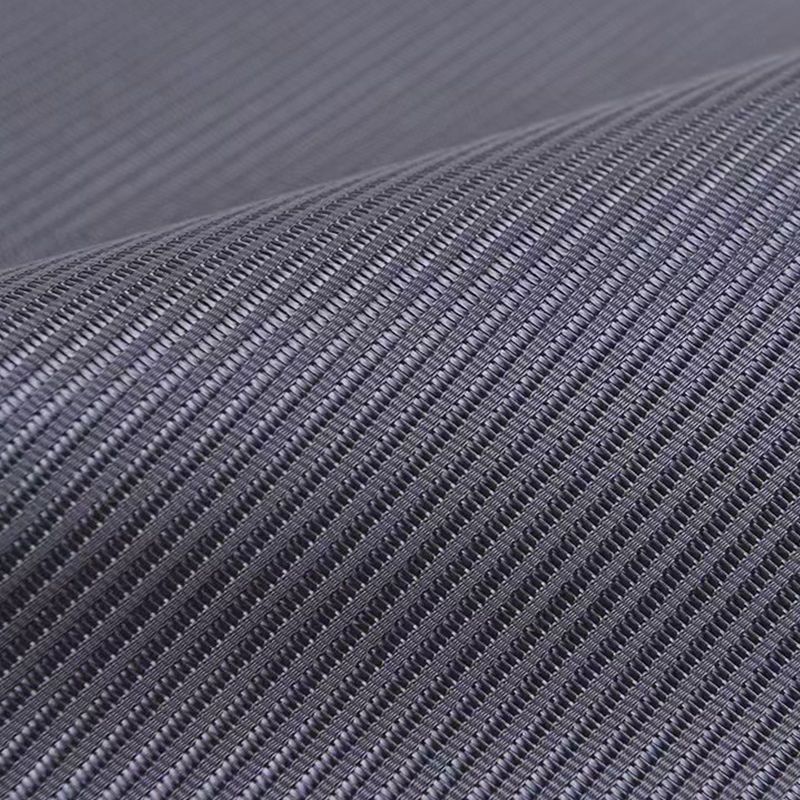
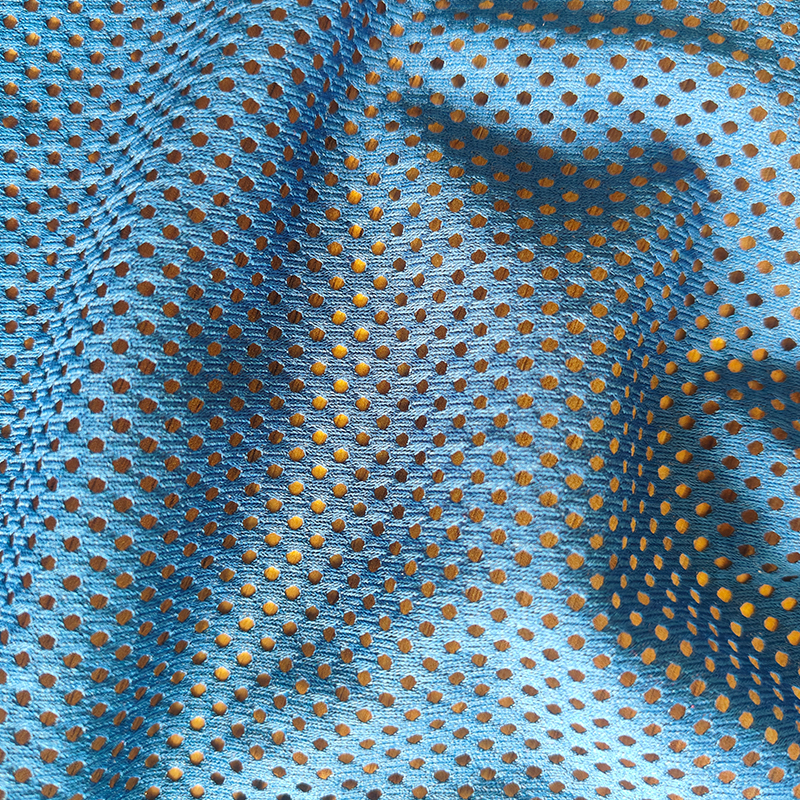
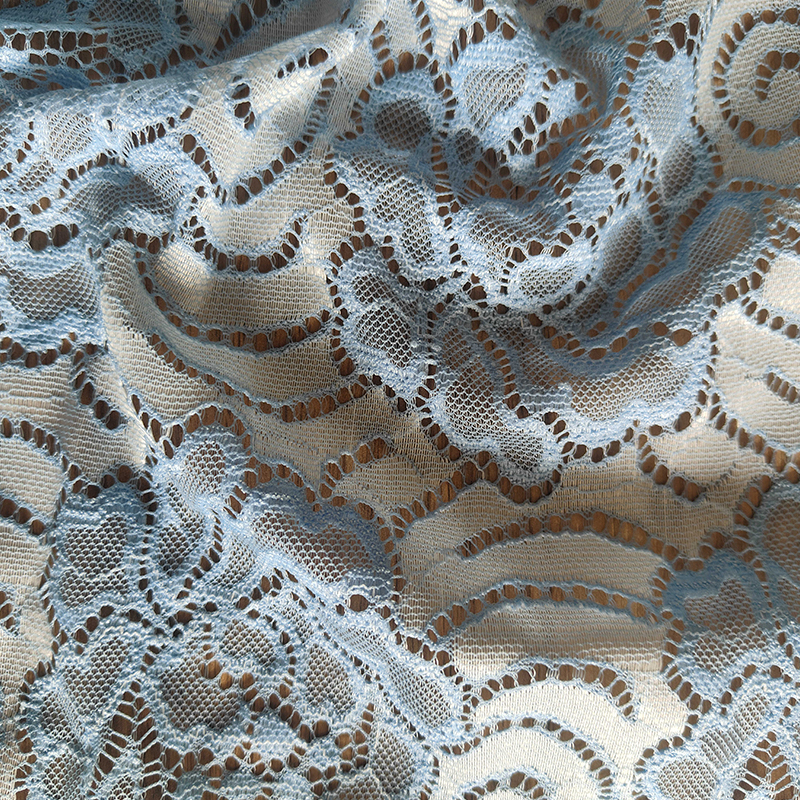 Mesh Running Wear Sports and Leisure Fabric Its open mesh structure delivers strong airflow and moisture wicking to keep athletes cool and dry. Moderate elasticity and durability make it suitable for sportswear seams, shoe uppers, and breathable layers on gear. View Product →
 Polyester vs Cotton vs Nylon: A Practical Comparison
Teams evaluate fabric on how it behaves during play, after washing, and on the heat press. The comparison below reflects typical knitted sportswear fabrics rather than raw yarn data.
Comparison based on typical jersey-weight fabrics used for sports apparel.
Hidden Metrics That Decide Jersey Performance
Learn to read the numbers behind the fabric weight. Our own lab checks these indicators before polyester jersey rolls are released for commercial orders.
MVTR: 90
Drying: 85
Abrasion: 95
Shrinkage: 92
Color: 88
Bar height shows a normalized performance index: higher is better.
MVTR stands for moisture vapor transmission rate, the speed at which sweat vapor passes through the fabric. Drying rate measures how quickly surface moisture evaporates. Abrasion resistance, shrinkage control, and color retention after washing are just as important when you plan to print a season of names and numbers.
Where Polyester Is Used in Soccer Kit Manufacturing
Polyester and recycled polyester: 72%
Polyester with elastane: 18%
Nylon blends: 6%
Other performance yarns: 4%
Distribution based on typical order patterns for team kits, training apparel, and fan wear. The takeaway: polyester is the benchmark, but blends and recycled variants are growing.
Sourcing Polyester Jersey Fabric: A Step-by-Step Guide
A better polyester jersey can cost more per meter, but it also lasts several seasons. The ROI becomes visible through lower replacement frequency, fewer print failures, and less player discomfort.
1
Define the playing condition. Consider field heat, winter training, washing frequency, and whether the jersey carries heavy printing.
2
Set the fabric weight. 130 to 160 g/m² works well for match shirts; 170 to 220 g/m² gives more structure for training wear.
3
Choose the knit structure. Use mesh zones for ventilation and a smooth jersey surface for large printed areas.
4
Evaluate finishing. Ask about wicking, antimicrobial, UV, and antistatic treatments. The base polyester does not do all of that on its own.
5
Check samples and test reports. Verify shrinkage, wicking, colorfastness, and seam slippage before committing to bulk.
6
Run a trial production. Print or embroidamine on the actual fabric, wash it, and inspect the result. Then scale the order with confidence.
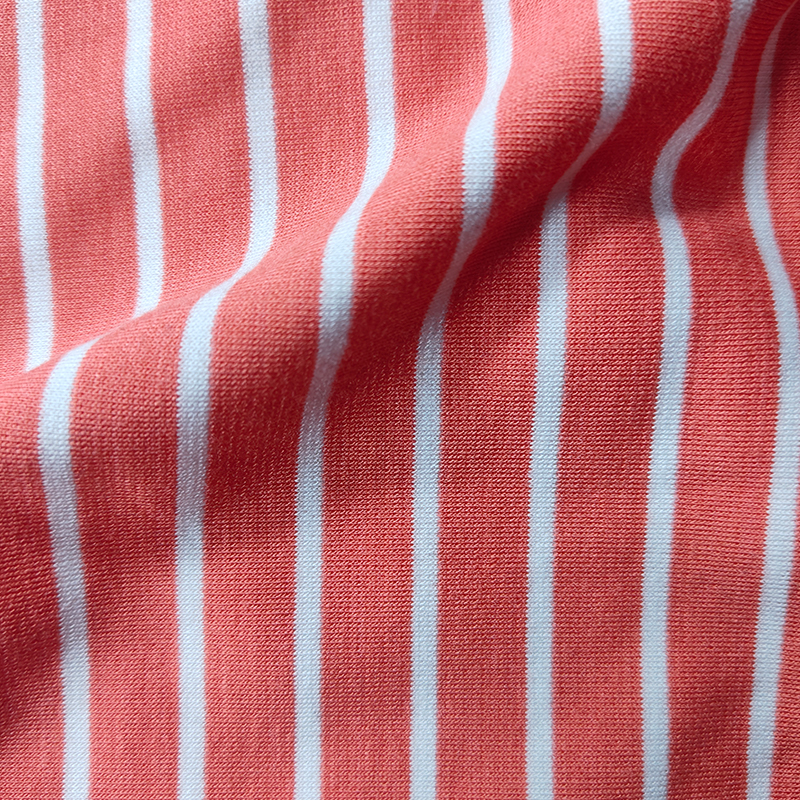 Knitted Jersey Yoga Wear Sports and Leisure Fabric This soft, stretchy knit wicks moisture well and supports vibrant prints, making it ideal for yoga wear, leggings, and casual tops. Its skin-friendly comfort aligns with quality expectations for compliant, durable activewear. View Product →
 Maintenance, Compliance, and Supplier Checks
Care instructions that keep polyester playing
- Wash at 30 to 40 degrees Celsius with the shirt inside out.
- Avoid chlorine bleach and fabric softener.
- Do not iron directly on printed numbers or club crests.
- Dry away from direct heat sources to preserve stretch fibers.
Compliance and supplier checks
European clubs and retailers expect polyester fabrics to meet REACH restrictions, and many contracts reference Oeko-Tex Standard 100 or similar limits for harmful substances. Recycled polyester should come with supply chain documentation showing the recycled content. At Lanneret, our lab tests each batch before shipment, and the audit trail covers dyeing, finishing, and other functional treatments.
For a wider view of how fiber choice and finishing change garment behavior, see what fabrics make functional outdoor clothing perform best .
The next time someone asks "are soccer jerseys polyester?" the correct answer is: yes, and for good reason. The more useful question is whether the polyester has been engineered properly for the team that will wear it.